Column · @beaueuab995
Vaccinations for Pets Prairieville Animal Hospital: Protecting Your Community
Vaccinations are a quiet public health victory, something that often happens behind the scenes while you’re busy with daily routines. At Prairieville Animal Hospital, vaccines are more than a set of shots. They’re a shield for the animals you love and a safeguard for the people who share your home and neighborhood. The practice of vaccinating pets is built on decades of experience, shaped by real-world cases, and refined by the practical realities of life in our community. This article isn’t a lecture. It’s a look at how vaccinations fit into responsible pet care, how we approach them at Prairieville, and how you can partner with us to keep your family and your community safer.
A veterinarian’s day often begins with a warm greeting from a family bringing in a puppy that is just learning the rhythm of the world, or a senior cat that only recently started to explore the idea of vaccines again. The decision to vaccinate isn’t about fear or risk in the abstract; it’s about balancing protection with the individual animal’s health, lifestyle, and the realities of family schedules. Vaccines are a tool, one of many, and their value becomes clear when they prevent serious illness that could mean discomfort for a beloved pet or a serious, preventable risk to people in the home.
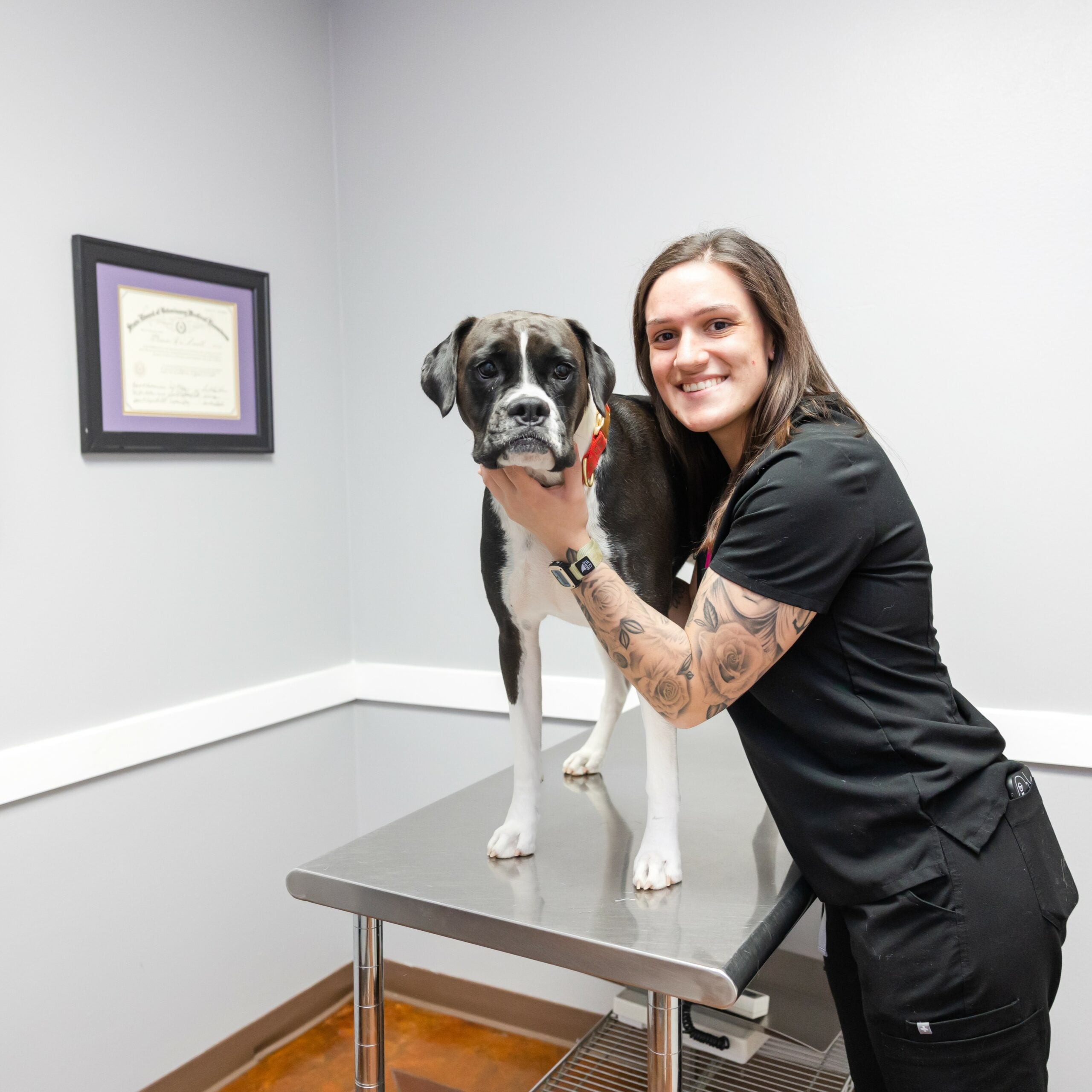
In Prairieville, we see the same thread: animals who roam yards, visit dog parks, share couches, and intersect with children who are learning responsibility for the first time. Vaccines operate at the scale of community health, curtailing outbreaks that could otherwise strain clinics, shelters, and households. The idea is straightforward: keep pets well, reduce disease reservoirs, and protect people who might not have the option to fight off an infection the way a dog or cat can. Yet the path to good vaccination practice isn’t one-size-fits-all. It’s nuanced, patient-centered, and anchored in a careful assessment of each animal’s risk. That is what you encounter when you bring a pet to Prairieville Animal Hospital for a wellness visit, or when you call ahead to discuss a vaccination plan.
Understanding how vaccines work goes a long way toward appreciating their role in care. Most vaccines act by presenting the immune system with a safe, non-threatening piece of a germ or a weakened form of the organism. The immune system learns to recognize it, remembers it, and becomes ready to respond quickly if the animal encounters the real pathogen. The outcome isn’t a guaranteed absence of illness; rather it’s a dramatic reduction in risk of severe disease, which can translate into milder symptoms, shorter illness, and in many cases, complete protection. Over time, vaccination schedules have become more precise, relying on data about when an animal’s immune system is most receptive and how often boosters are needed to sustain protection.
What to expect at a wellness visit around vaccinations
Visiting Prairieville Animal Hospital for vaccines is typically a straightforward experience, guided by a plan that considers age, lifestyle, species, and prior health. A routine exam is more than a moment to poke and prod. It’s a chance to confirm body condition, dental health, and overall vitality, ensuring the animal is in a good position to respond to a vaccine. We check for any signs of illness, review current medications, and discuss recent travel, exposure to other animals, and potential disease risks in the neighborhood. If the pet has already had vaccines in the past, we review the records and evaluate whether any boosters are due. For new patients, we gather history and establish a baseline so future visits flow smoothly.
Vaccination schedules aren’t written in stone; they are living documents that adapt to the pet’s life stage and risk profile. Puppies and kittens, for example, follow a core schedule that builds early protection, while older animals re-evaluate needs based on health status and exposure risk. In practice, that means a plan that may involve puppy boosters every three to four weeks in the initial rounds, followed by a year and then multi-year boosters for certain vaccines. Adult pets might require annual or biennial boosters, depending on the vaccine type and lifestyle. The aim is steady protection without over-vaccination, a balance earned through careful assessment and candid conversations with families.
Two essential questions guide every vaccination plan
-
What’s the animal’s risk profile? The environment, exposure to other animals, travel plans, and the likelihood of contact with disease-bearing insects or wildlife all influence decisions. A rural dog that spends time in the countryside differs from a city cat who rarely leaves the apartment. Prairieville’s climate and animal populations shape risk in nuanced ways, and our recommendations reflect that reality.
-
What’s the animal’s health status? Young, healthy pets respond differently from those with chronic conditions, and seniors may require adjusted schedules or additional diagnostics before any vaccine is given. We don’t push vaccines for the sake of procedure. We listen, observe, and tailor.
Common vaccines and practical considerations
Vaccines fall into two broad groups: core vaccines, which protect against diseases with high risk and severe consequences, and non-core vaccines, which are recommended based on individual risk. The core vaccines are typically given routinely for most dogs and cats, while non-core vaccines depend on the animal’s exposure risk and geographic factors. In Prairieville, core vaccines for dogs typically include protections against distemper, parvovirus, adenovirus, and rabies. Cats rely on vaccines addressing feline herpesvirus type 1, calicivirus, panleukopenia, and rabies. The rabies vaccine, in particular, carries not only health implications for the pet but legal requirements for pet owners in many jurisdictions. We stress the importance of that shot as part of responsible ownership and community safety.
Important practical notes about vaccines
-
Pregnancy and vaccination: If a female pet is pregnant, we adjust the plan to minimize any risk, deferring certain vaccines when necessary and focusing on the health of the dam and the unborn litter. This is a common scenario in households that breed or rescue animals, and we handle it with care.
-
Vaccination and prior illness: If a pet has recently recovered from an illness or is showing signs of infection, we may delay non-urgent vaccines until the animal is clinically stable. The goal is to avoid stressing an immune system that is already occupied fighting another issue.
-
Adverse reactions: Like any medical intervention, vaccines can carry a small risk of adverse reactions. They are uncommon, typically mild, and occur in a tiny fraction of patients. We have protocols in place to monitor and manage any reaction swiftly, and we tailor timings if a particular animal has shown sensitivity to vaccines in the past.
In addition to these core ideas, it helps to see data in a real-world frame. Across many practices, including Prairieville, vaccines reduce the incidence of severe disease substantially. Parvovirus, for example, used to be a common cause of life-threatening gastroenteritis in puppies. With routine vaccination, the disease is far less likely to strike a vaccinated puppy, and when it does occur, the outcomes tend to be less dire. Rabies vaccination carries even broader implications because it intersects with public health and safety, not just animal welfare. The vaccine’s value is not only in preventing death or suffering in a single animal but in reducing the risk to the entire community.
Two curated lists that can help you think about vaccines more clearly
-
When to vaccinate for a young dog or cat: initial series, booster timing, and what to expect during that period.
-
Core vaccines for dogs and cats, with notes on why they matter and typical safety considerations.
While it is tempting to rely on general statements about vaccines, the real strength of a practice like Prairieville lies in the habit of careful, ongoing evaluation. The veterinary clinic is a place where you receive not a single shot but a plan that grows with your pet. The team sits with you, explaining risks, answering questions, and helping you factor in your family’s schedule. A vaccination appointment is also an opportunity to discuss broader wellness themes: dental care, nutrition, parasite prevention, and the importance of comprehensive wellness exams that catch problems early, before they develop into emergencies.
Pet wellness exams as a framework for protection
Vaccinations are inseparable from broader wellness care. At Prairieville Animal Hospital, we talk about vaccines within the context of a complete wellness plan. This means regular checkups that note weight trends, dental health, skin and coat quality, mobility, and behavior. The wellness exam is the platform that anchors vaccine decisions to actual health indicators. For example, if a pet shows a tendency toward mild dehydration, weight gain or loss, or dental issues, we may adjust a vaccination plan to ensure the animal is in an optimum state to respond to vaccines. It’s practical, not theoretical.
The human element of vaccination decisions matters as well. Families juggle work, school, and travel, and it is not unusual for a pet to miss an appointment or for reminders to slip. Prairieville Animal Hospital takes a pragmatic view of scheduling. We understand the friction, and we strive to make the process predictable and unobtrusive. A few reminders, a clear plan, and a flexible approach to rescheduling can keep the vaccination cadence on track without turning a routine formality into a household disruption.
Vaccines in specific life stages
Puppies and kittens begin a journey of protection. The initial series typically happens over a matter of months, aligning with their immature immune systems but also with the practical need to recover from the stress of a new home and new living conditions. The adult dog or cat sees a shift from a fixed schedule to a maintenance plan. For senior pets, the approach becomes even more individualized, balancing the gains from protection against the realities of aging and any chronic health concerns.
Travel and exposure add another dimension to vaccination planning. If your pet is likely to attend boarding facilities, dog parks, or cross state lines, certain vaccines can be particularly important. We encourage families to https://prairievilleanimalhospital.com/ consider these factors early in a pet’s life and to revisit plans as travel patterns develop. The aim is not to complicate care, but to align protection with real-world routines so that vaccines contribute to steady, predictable health rather than becoming a once-a-year mystery.
Spay and neuter, dental care, and how vaccines fit into broader care
Spay and neuter, pet surgery, and dental care are all components of a coherent wellness strategy. They are not separate silos but integral parts of how a home supports a pet’s long-term health. For example, dental health correlates with overall well-being, and inflammation in the mouth can influence systemic health. Vaccinations fit into this broader picture by helping minimize additional stress and illness that could complicate a surgical procedure or recovery period.
In practical terms, this means you might plan a dental cleaning in proximity to a vaccination visit if both procedures align in time and health status. The goal is to minimize repeated anesthesia, reduce stress on the pet, and keep the timeline predictable for families. Our team searches for opportunities to harmonize care rather than fragment it, drawing on clinical experience and the needs of the household.
Real-world considerations and edge cases
There are situations where vaccination plans must be adjusted. A pet living with immune compromise or chronic illness may require a different approach. In such cases, we work closely with the owner to quantify risks versus benefits, often opting for alternative strategies or modified schedules. There is no one-size-fits-all answer, and that candid, individualized conversation is a hallmark of Prairieville’s approach.
Edge cases also arise with pets from shelters or rescue environments. Their histories may be incomplete, making it essential to perform a cautious assessment and sometimes a delayed or staged vaccination plan. We understand the urgency many families feel to protect a new companion, and we balance that urgency with the animal’s need for a measured, evidence-based approach. The aim remains the same: protect health while preserving the bond between owner and pet.
Evidence-based practice in a community clinic
The field of veterinary medicine is built on a blend of science and practical experience. We lean on field data, peer-reviewed guidance, and our own long-running records to shape vaccination protocols. The core principle is to minimize risk while maximizing protection. In a community setting, that translates to an approach that respects the animal’s individuality, honors the family’s constraints, and maintains a clear focus on the public good. This is why our vaccine recommendations are not arbitrary; they emerge from a history of outcomes, patient-by-patient learning, and ongoing collaboration with pet owners.
A note on accessibility and continuity of care

Can a vaccination plan be complicated by access issues? It can, but Prairieville has built processes to ease those obstacles. If a family faces transportation challenges, we offer flexible scheduling, potential mail or curbside options where feasible, and a steady line of communication so nothing falls through the cracks. Continuity matters in vaccines because every missed opportunity can reset the protective window. Our approach emphasizes reliability, transparency, and a partnership mindset with every family that walks through the door.
The value of a stable relationship with your veterinary team
Vaccines gain strength when the relationships around them are stable. Knowing the staff who handles a patient year after year, understanding how each pet responds to vaccines, and sharing the same concerns about travel plans or upcoming events creates a deep, practical sense of security. We are not merely administering vaccines. We are part of a network that includes you, your pet, and the wider Prairieville community. The trust built in quietly confident conversations is the real backbone of effective preventive care.
If you want to see a tangible example of how this plays out, consider the annual wellness visit that follows a puppy’s initial vaccination series. The family returns for a quick check of growth, appetite, energy levels, and any behavioral cues that could indicate stress or discomfort. The vaccines are already in place, and the appointment becomes an opportunity to consolidate care. We might discuss parasite prevention, dental checks, and how to recognize early signs of illness that would prompt a faster intervention. That continuity—care that evolves with your pet’s life stage—helps reduce emergency visits and fosters a stable, resilient health trajectory.
One more practical note about timing and compliance
A practical reminder for families under the rhythm of busy lives: vaccines work best when administered on schedule. If you anticipate travel or a changing routine that could affect a vaccination window, tell us early. We can often adjust the plan while preserving protection. If a vaccination is missed, we will reassess, reestablish a plan, and communicate clearly about any additional risks or restrictions. The goal remains simple and important: steady, reliable protection that aligns with daily life.
The broader benefit to the community
Vaccinations do something beyond individual health. They reduce the potential for outbreaks that can overwhelm clinics, strain shelters, and impose stress on families who care for sick pets. When pets stay healthy, the risk to people—especially young children and people with compromised immune systems—decreases as well. Prairieville Animal Hospital treats this as a shared responsibility. The clinic’s work with vaccines is part of a larger effort to keep neighborhoods safer, not by restricting freedoms but by supporting healthier, more predictable relationships with our animal companions.
Getting started with vaccines at Prairieville
If you are new to Prairieville Animal Hospital, the first step is a wellness exam that includes a careful review of vaccination history and a discussion of current health and lifestyle. If you are transferring records from another clinic, bring them along. If you are starting with a new puppy, a kitten, or a rescue animal, we will lay out a clear timeline that matches the species, age, and risk considerations. The conversation is practical and grounded in real-life concerns: what your schedule looks like, what travel or boarding plans you have, and how we can align the vaccination plan with a broader wellness strategy.
For families who value clarity and consistency, a key takeaway is that vaccines are part of a broader framework rather than a single moment in time. They tie into the routines that keep a household running smoothly and a pet living a long, healthy life. The goal is not to overcomplicate care but to anchor it in dependable prevention, regular monitoring, and a collaborative relationship with your veterinary team.
Two practical lists to help you think about vaccines in everyday terms
- A simple vaccination planning guide for families:
- Confirm age and health status with your veterinarian
- Identify core vaccines and any non-core vaccines based on risk
- Establish a realistic schedule that fits your calendar
- Mark reminders for boosters, dental checks, and wellness exams
- Reassess annually as life changes, including travel plans or new exposures
- Core vaccines and their rationale in practical terms:
- Rabies vaccine, essential for public health and legal compliance
- Distemper and parvovirus combination for dogs, prevents life-threatening illness
- Adenovirus vaccines for dogs, addressing infectious hepatitis or respiratory concerns
- Feline herpesvirus and calicivirus plus panleukopenia for cats, protecting respiratory and systemic health
- The framework of boosters that sustains protection without unnecessary repetition
In closing, vaccinations are a practical, grounded part of responsible pet ownership. They are not abstract or theoretical; they are about everyday health, predictable routines, and an atmosphere of care that extends from Prairieville Animal Hospital to every home in our community. When you bring your pet in for vaccines, you are participating in a long-standing tradition of preventive care that benefits animals, families, and neighbors alike. If you want to learn more about vaccines, schedule a wellness visit, or discuss a personalized plan for your pet, Prairieville Animal Hospital welcomes the chance to help.